Blog
What Is Padel? The Sport That’s Taking Europe by Storm
Have you noticed that more and more friends have been talking about padel lately? Or that a new court opened in your city and it's always packed? That's no coincidence. Padel is currently one of the fastest-growing sports in the world — and the Baltic states are no exception.
But what exactly is padel? Is it tennis? Squash? Something entirely different?
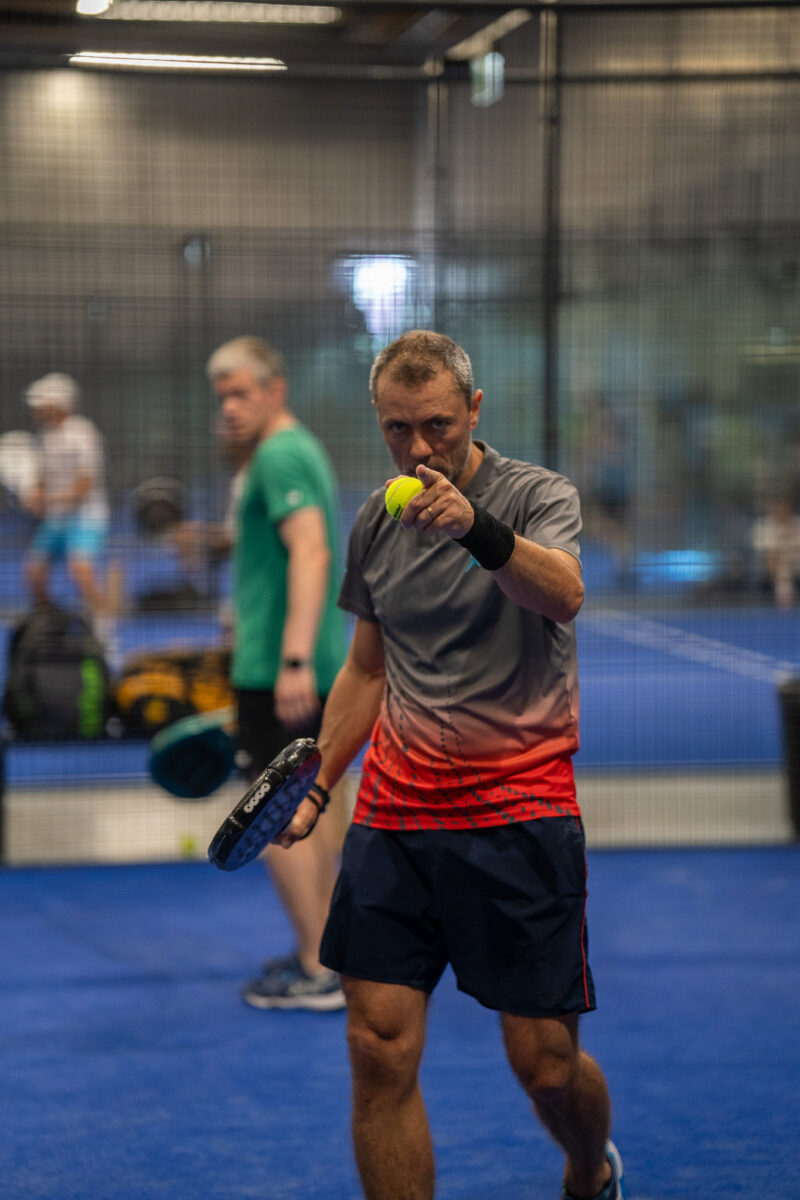
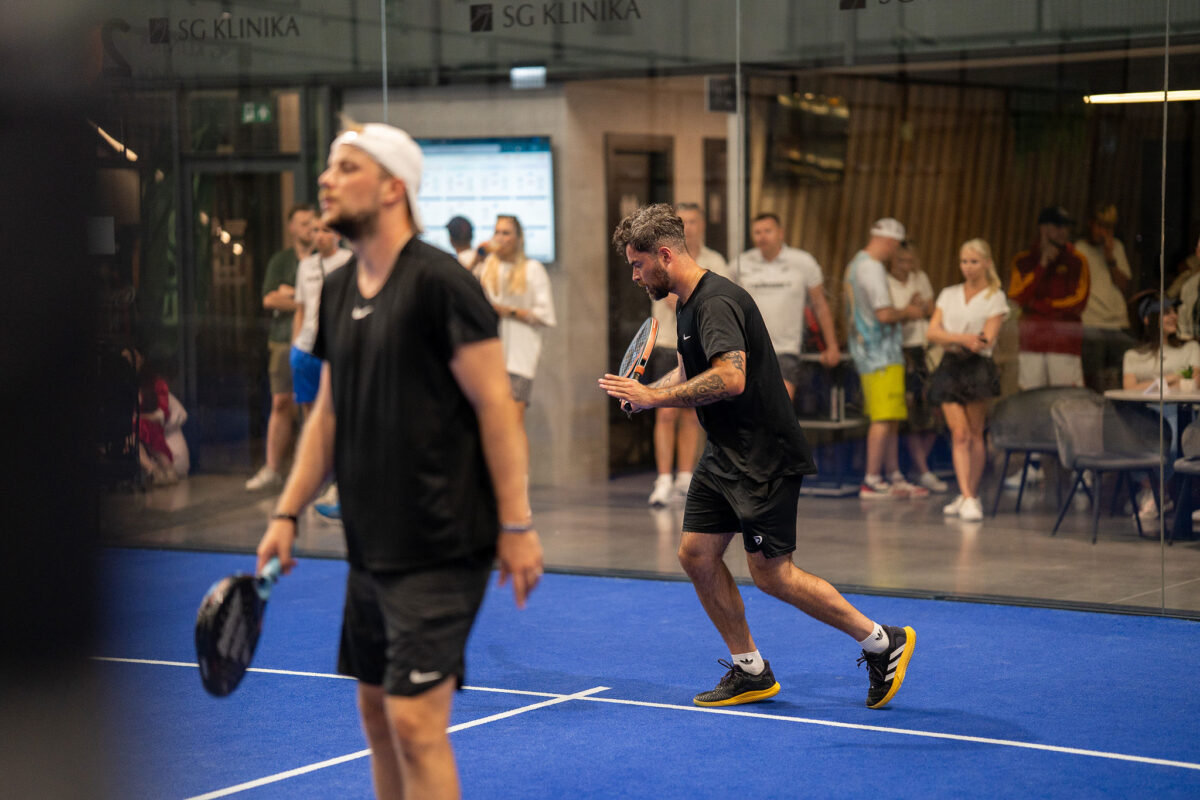
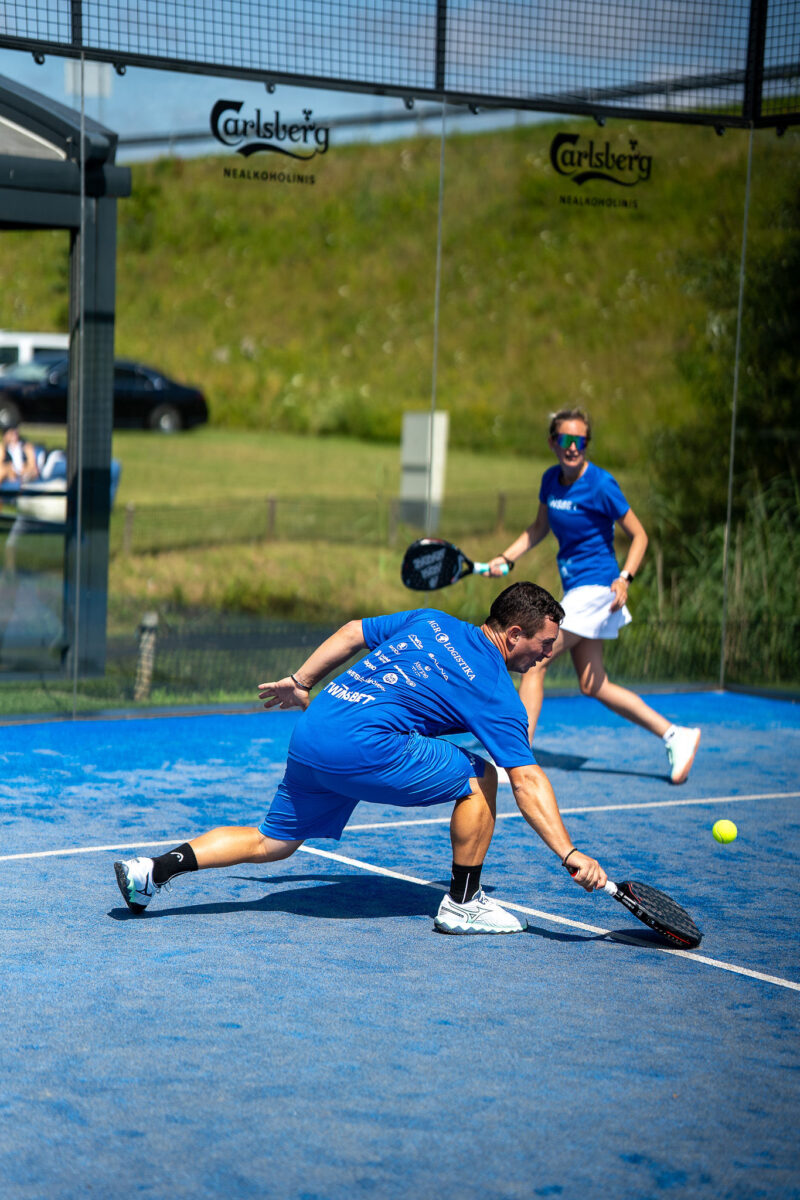
The short answer: padel is a racket sport played by two pairs (2v2) on an enclosed court with glass walls. The game is fast, social, and — most importantly — you can learn it in a single evening. That's exactly why it attracts both complete beginners and experienced athletes alike.
In this article, you'll learn everything you need to understand padel: from its history to the rules, from court dimensions to the equipment you need. Read on — you won't regret it.
1. The History of Padel — From Mexico to the World
Padel was born in 1969 in Mexico. The inventor — businessman Enrique Corcuera — built the first court at his home in Acapulco. Space was limited, so he simply enclosed the court with walls — and accidentally created a brand new sport.
Padel soon reached Spain, where it found its true home. Today, Spain has more than 20,000 padel courts and around 8–10 million players. That's more than the number of golf players in the country!
From the 2010s, padel began spreading rapidly across Europe — to Italy, France, Sweden, the Netherlands. Now it's arriving in the Baltic states too. Courts are multiplying every season, and the new player community is growing faster than anyone expected.
Why is padel growing so quickly? A few reasons:
- It's easy to learn — you can play a real game on day one
- It's played in pairs, so there's always a social element
- The court is smaller than in tennis, so you run less
- The strokes are softer — easier on the joints
- Padel suits everyone — children, seniors, women, men
2. What Does a Padel Court Look Like?
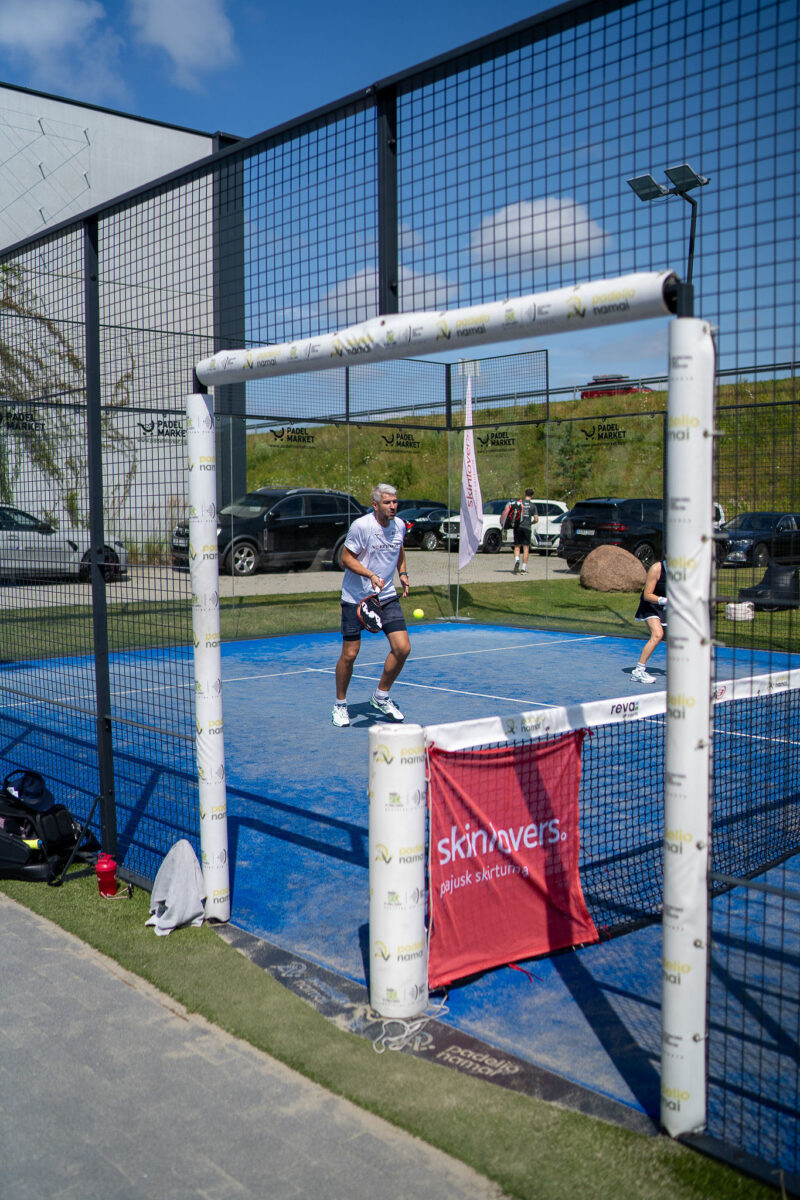
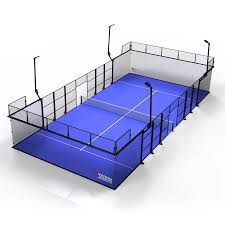
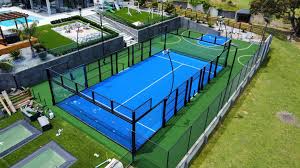
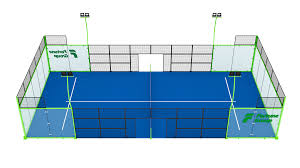
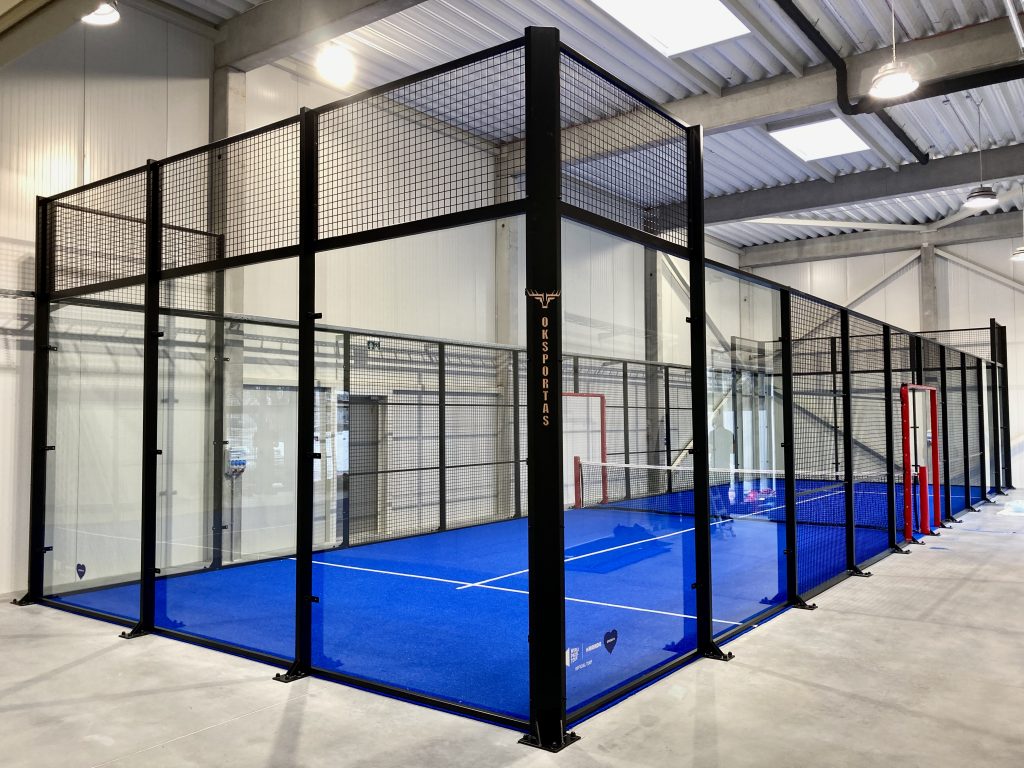
A padel court is 20 metres long and 10 metres wide — roughly a quarter of a tennis court. It's enclosed by 3–4 metre high glass or metal mesh walls, which are an integral part of the game.
Here are the main elements of the court:
Walls — This is one of the most distinctive features of padel. The ball can bounce off the walls after an opponent's shot — and you can still play it! At first this may seem strange, but it quickly becomes the most exciting part of the game.
Net — Similar to tennis, but slightly lower. In the middle — 88 cm high, at the sides — 92 cm.
Markings — The court is divided into two halves, each with service boxes — similar to tennis.
Surface — Most commonly artificial grass (tarmac) or synthetic flooring. The surface type affects the ball bounce and your choice of footwear.
One court fits only one game — two pairs. Unlike tennis, where you can play singles, padel is fundamentally a doubles sport.
3. Padel Rules — Simpler Than You Think
Many people assume the rules are complicated. In reality — they're very similar to tennis, with just a few differences.
The Serve
The serve is performed underarm — like in squash or badminton, not like in tennis. The player must drop the ball and hit it at waist height or below. The serve is played diagonally — into the opposite service box.
Important: the serve must bounce on the ground on the other side before it can hit the wall.
Scoring
The points system is the same as in tennis: 15, 30, 40, game. A set is won by winning 6 games with a two-game lead. If the score reaches 6:6 — a tie-break is played.
Matches are usually played to the best of three sets.
Playing the Ball — With Walls!
This is where padel's real magic begins. The ball can bounce off the walls after an opponent's shot — and you can still play it! This means rallies last longer and points are more dynamic and exciting.
The key rule: the ball must touch the ground before bouncing off the wall. If the ball flies directly into the wall without touching the ground — it's a fault.
What's Not Allowed?
- Playing a ball that has bounced twice on the ground
- Touching the net or crossing into the opponents' side
- Interfering with the opponent's shot
4. What Equipment Do You Need to Play Padel?
The Padel Racket
This is the most important piece of equipment. A padel racket is different from a tennis racket — it's solid (no strings), shorter, and has holes throughout the face. It's made from carbon fibre or fibreglass, with a foam (EVA or HR3) core.
Rackets are categorised by:
Level:
- Beginners — softer core, rounder shape, lighter weight
- Intermediate — a balance between control and power
- Advanced — firmer, more power, requires more precise striking
Shape:
- Round — more control, ideal for beginners
- Teardrop — balance between power and control
- Diamond — maximum power, for advanced players
Footwear
Padel shoes are neither tennis nor football shoes. They're specifically designed for padel surfaces: they have lateral stabilisation (because of the constant side-to-side movement) and the right sole. Artificial grass requires different shoes than hard court surfaces.
Balls
Similar to tennis balls, but slightly less pressurised — because the court is smaller and the walls change the dynamics of play. Usually sold in tubes of 3.
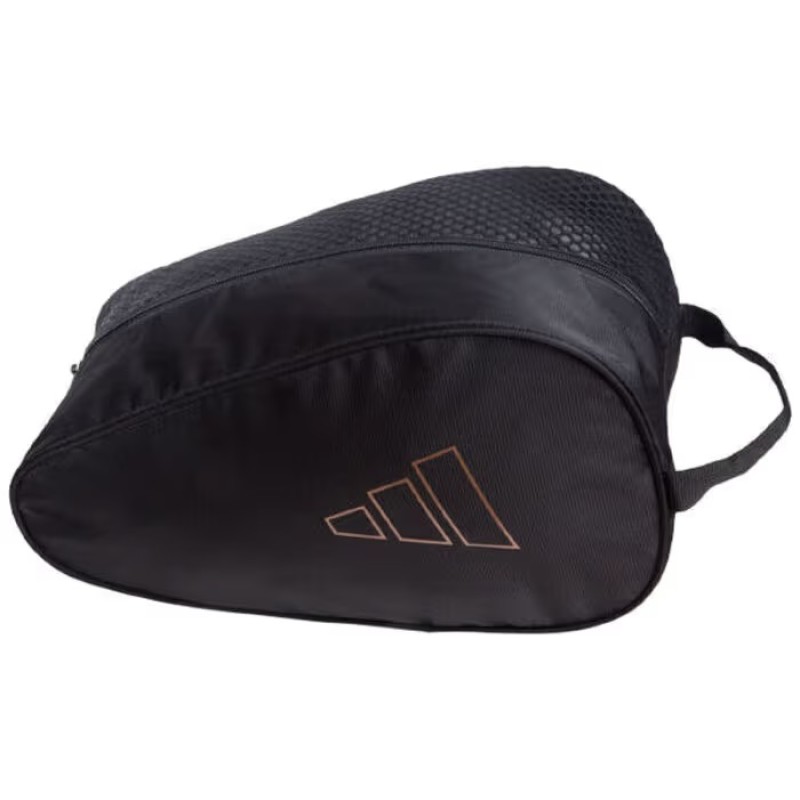
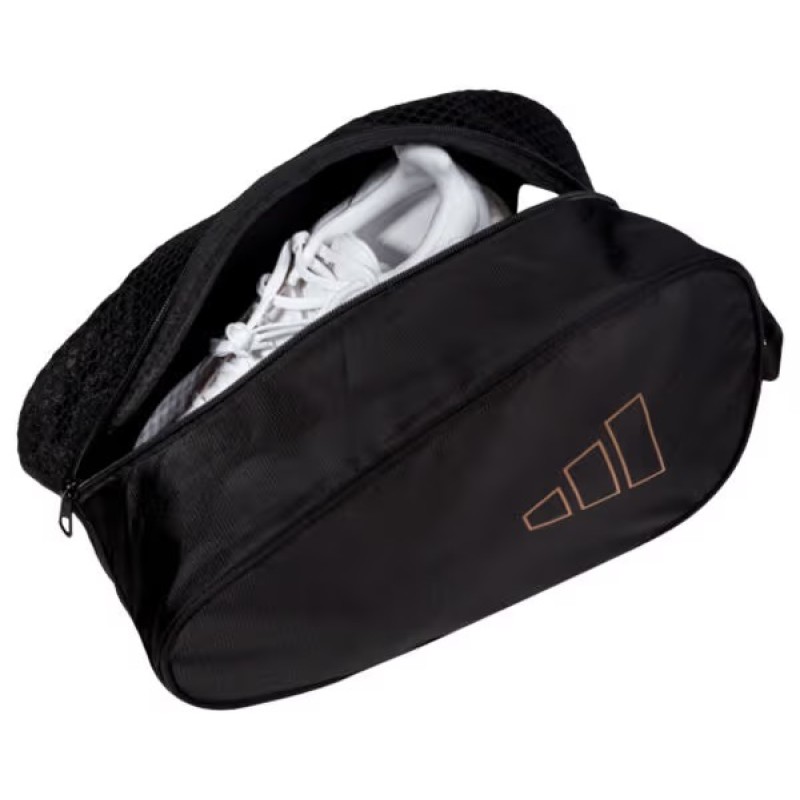
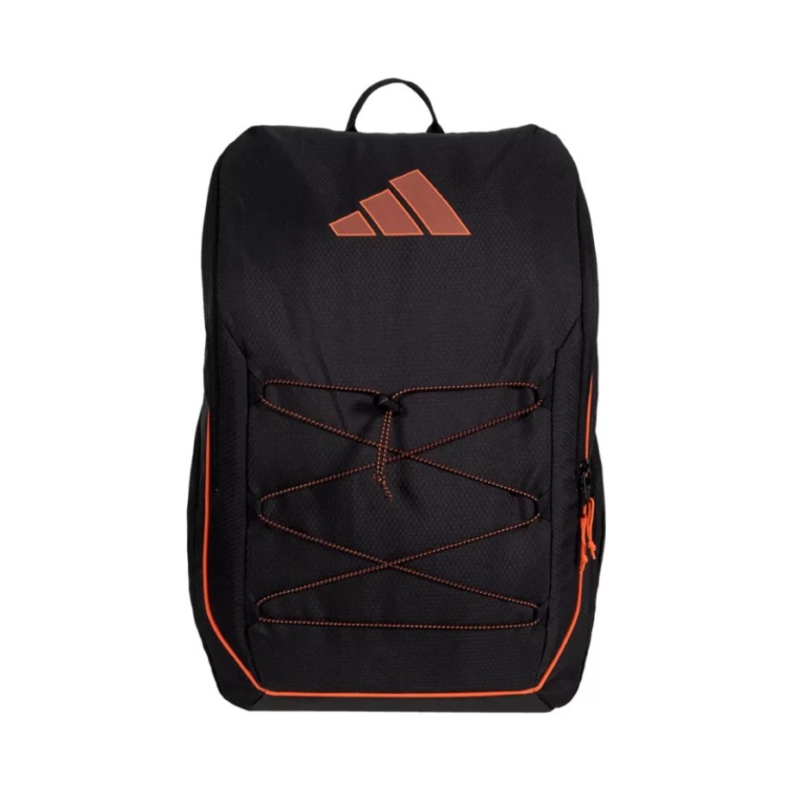
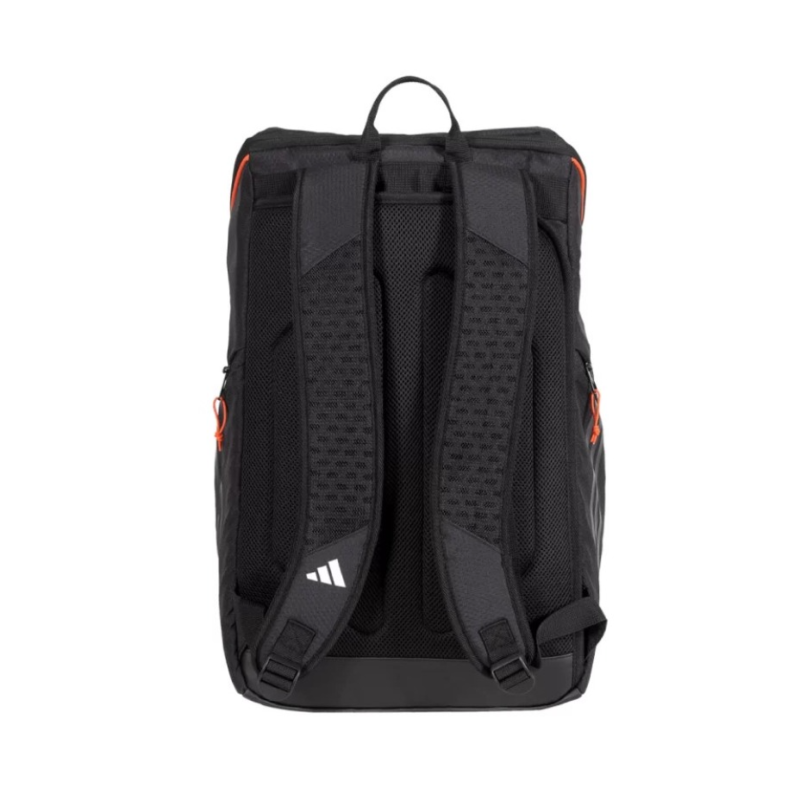
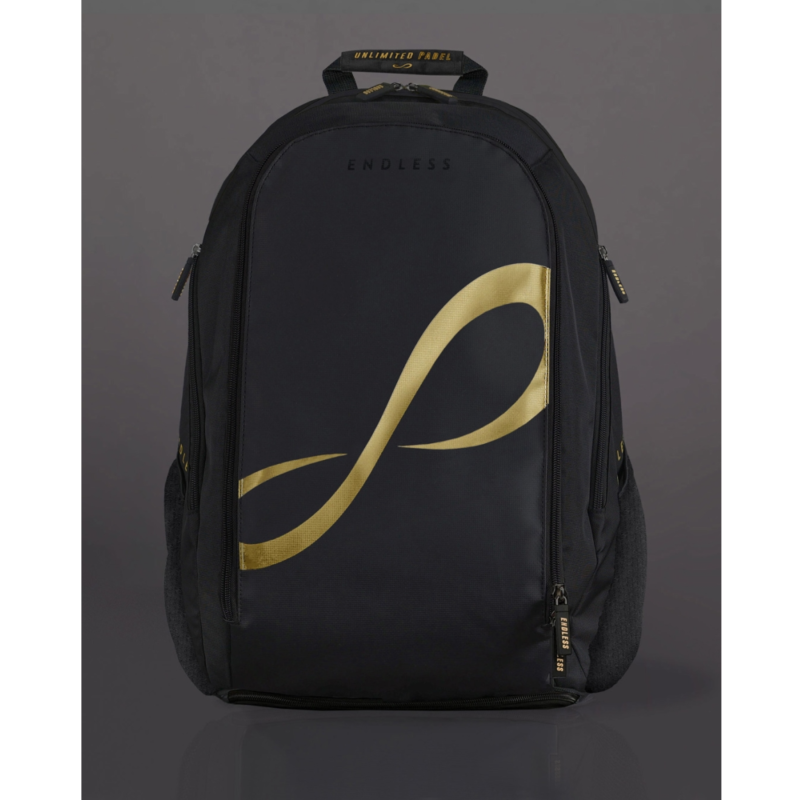
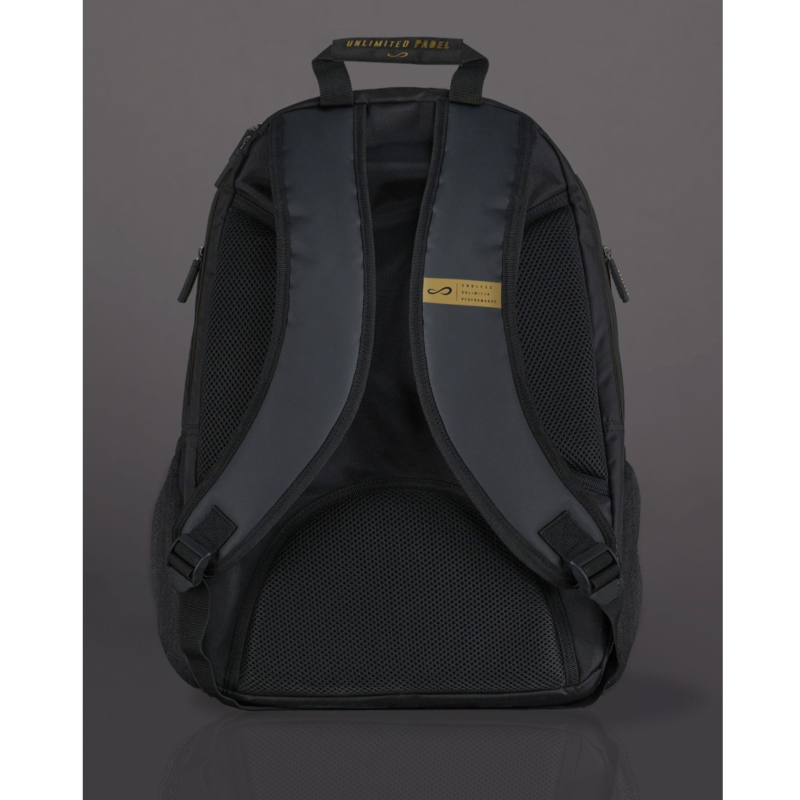
Bag / Backpack
You need somewhere to carry your racket. Padel bags (paletero) are designed for one or two rackets and have room for shoes and clothing.
Padel backpack SIUX Pulse Black
Padel bag BULLPADEL HACK PREMIER
Padel bag BULLPADEL NEURON BLACK
Padel bag BULLPADEL NEURON PREMIER
Padel bag BULLPADEL TOUR PREMIER
Padel bag BULLPADEL TOUR WHITE
Padel bag NOX AT10 COMPETITION TROLLEY
Padel bag NOX AT10 TEAM WHITE PADELBAG
5. Padel vs Tennis — What's the Difference?
This is the most frequently asked question. Let's break it down:
| Padel | Tennis | |
|---|---|---|
| Court size | 10 x 20 m | 8.23 x 23.77 m |
| Walls | Yes — in play | No |
| Players | 4 (2+2) | 2 or 4 |
| Racket | Solid, no strings | With strings |
| Serve | Underarm | Overhead |
| Learning curve | A few hours | Weeks / months |
| Physical intensity | Moderate | Higher |
Padel is significantly easier to pick up. Most people play a real game on their very first visit — and love it. In tennis, that instant "wow moment" often takes much longer to arrive.
6. Is Padel Right for Me?
Short answer: yes, for almost everyone.
Padel is a great fit if you:
- Enjoy active leisure without exhausting yourself
- Want a sport you can play with friends or a partner
- Have joint issues and find tennis or running too demanding
- Want to try something new and genuinely fun
- Are a child (from age 5–6), a teenager, an adult or a senior
Padel might not be for you if:
- You prefer one-on-one individual sports
- You dislike enclosed spaces
- You're looking for a sport dominated by pure athleticism and speed
But even if you're unsure — just try it. Many people think it's "not for them," but after their first few sessions they become regulars.
7. The World's Top Padel Players
If you need inspiration — look to the professionals.
Men:
- Alejandro Galán — one of the world's best, known for an aggressive attacking game
- Juan Lebrón — phenomenal power and movement
- Federico Chingotto — Bullpadel star on the Premier Padel tour
Women:
- Beatriz González and Paula Josemaria — the dominant pair in women's padel right now
- Ariana Sánchez — one of the most consistent and talented players on the tour
Premier Padel is the official global padel tour, running across 26 tournaments in 18 countries. The 2026 Finals will be held in Barcelona in December. Matches can be streamed live on Red Bull TV.
Padel is a sport that simply works. It's fast, but not exhausting. Technical, but learnable. Individual, but deeply communal.
If you haven't tried it yet — now's the time. Find a court, grab some friends, and get on the court. And if you already play and need the right gear — you know where to look.
Play smart. Play with the spirit of padel. Play with FinalSet.