Tips

How to Choose Your First Padel Racket? A Complete Guide for Beginners

So you've decided to play padel. Great decision. But then you walk into a shop (or open a website) and see dozens of different rackets — different shapes, colours, weights, prices. And your head starts spinning.

Which one to choose? Does the shape matter? What's a "core"? Do you really need to spend 300 euros to play well?

Relax. In this guide you'll find out everything you need to know before buying your first padel racket. No complicated technical jargon — just practical information that will help you make a good decision.

1. Why the Racket Matters — But Not the Way You Think

Let's start with an important truth: for a beginner, the racket is not the most important factor. What matters more is playing regularly, learning the technique and enjoying the game.

But that doesn't mean the racket isn't important. The wrong racket can:

  • Cause discomfort or even injury (too heavy, too stiff)
  • Make learning harder (too small a sweet spot)
  • Lead to frustration quickly (if the racket is designed for advanced players but you're a beginner)

The right racket, on the other hand, helps you improve faster, feel comfortable and get more enjoyment from the very first sessions. So the choice does matter — you just don't need to overthink it or hunt for the "best" or "most expensive" option.

2. Three Main Racket Types by Shape

Shape is the first thing to pay attention to. Padel rackets are divided into three main shapes, and each one suits different players.

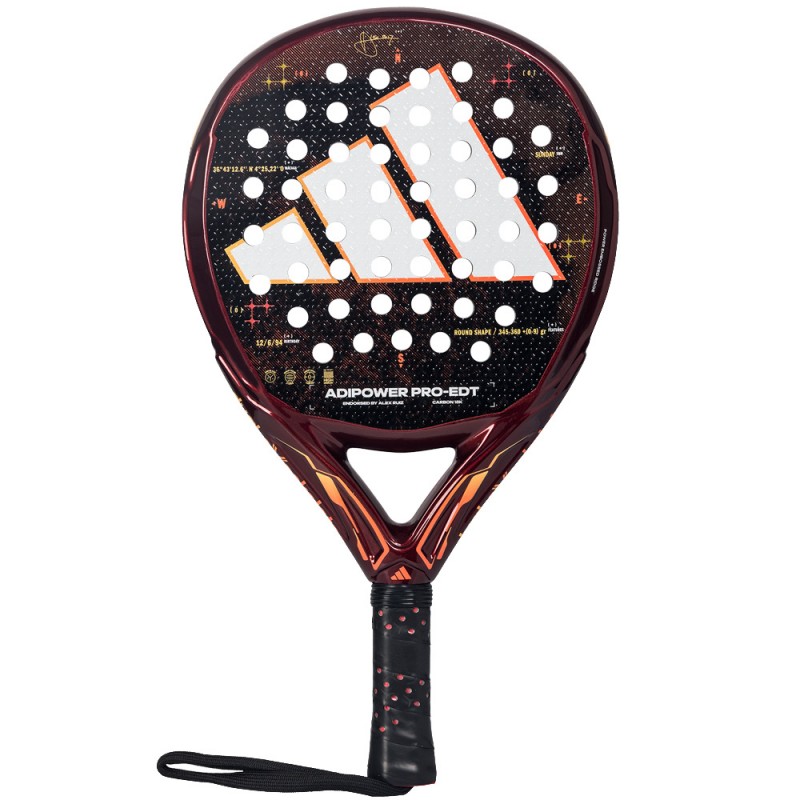
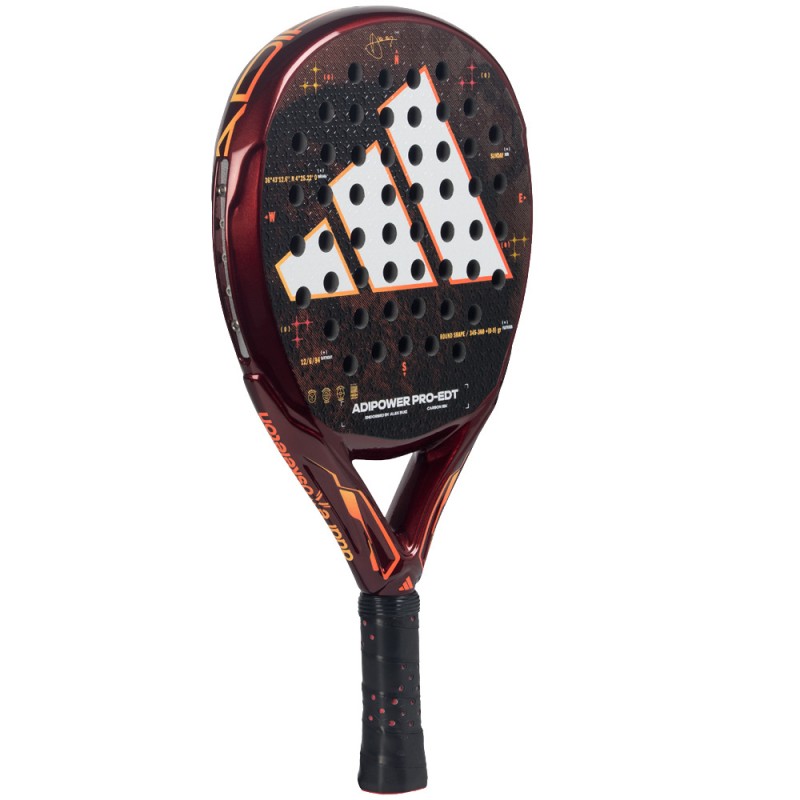
Round Shape

A round racket has the largest sweet spot — and it sits lower, closer to the handle. This means that even if the ball doesn't hit the exact centre, the shot will still be decent.

Best for: Beginners and players for whom control is the top priority. If you're not yet confident in your technique — the round shape is the safest and best starting choice.

Advantages:

  • Large sweet spot — forgiving of mistakes
  • Easier to control
  • Lower chance of mishitting the ball

Disadvantages:

  • Less power than other shapes

Teardrop Shape

The teardrop racket sits in the middle — the sweet spot is slightly higher than in a round racket, but not as specific as in a diamond. It's a balance between control and power.

Best for: Intermediate players who already have the basics and want a bit more power without losing control.

Advantages:

  • Good balance between power and control
  • Suits many different playing styles

Disadvantages:

  • Neither maximum power nor maximum control — a compromise

Diamond Shape

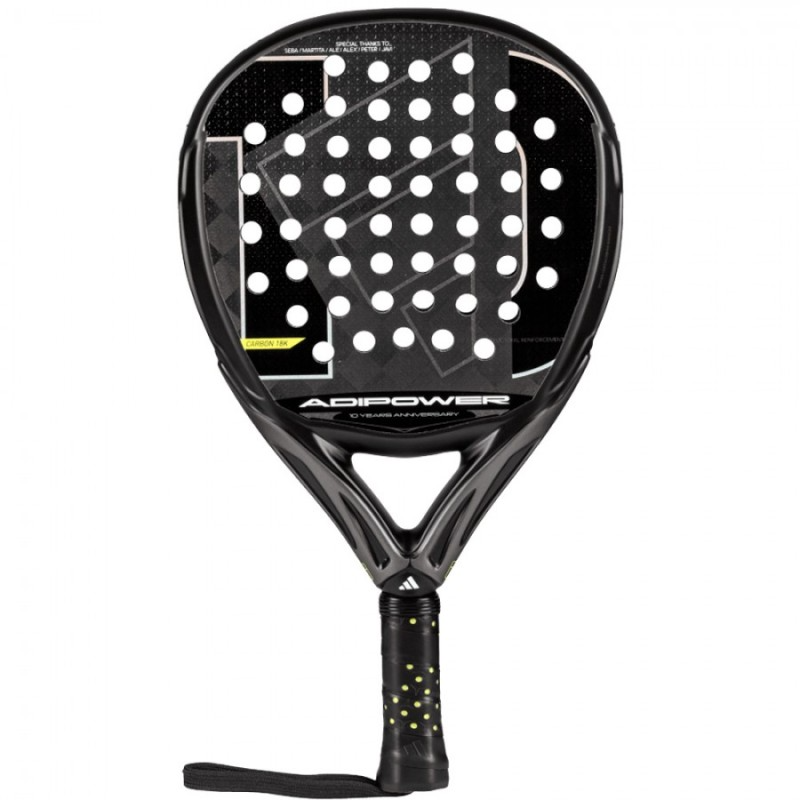
The diamond racket has the sweet spot highest — right at the top. This means shots can be very powerful, but you need great precision to hit that zone consistently.

Best for: Advanced players who can strike accurately and want maximum power.

Advantages:

  • Greatest power output
  • Excellent for attacking shots (smash, vibora)

Disadvantages:

  • Small sweet spot — mistakes are more costly
  • For beginners — too difficult to control

Conclusion for beginners: choose a round or teardrop shape. Diamond — later, once you have experience.

3. The Core — The Heart That Determines Everything

The racket core is the foam inside the racket, between the two outer layers. It determines how the racket "feels" at the moment of impact — whether it's soft and controllable, or firm and powerful.

EVA Core

EVA (Ethylene Vinyl Acetate) is a firmer foam. Rackets with an EVA core are more powerful, but less forgiving — the ball leaves the racket faster, so better technique is required.

Best for: Intermediate and advanced levels.

HR3 / Foam Core

HR3 or soft foam provides more control and "feel". The ball stays on the racket slightly longer, allowing the player to direct it more precisely. These rackets are more forgiving of mistakes.

Best for: Beginners and players who value control over power.

Tip for beginners: choose a racket with a softer core (HR3 / foam). It will give you more control and help you learn correct strokes faster.

4. Materials — Carbon Fibre or Fibreglass?

The outer layer of the racket (the face) is made from two main materials:

Fibreglass

Fibreglass is more flexible and softer. Fibreglass rackets provide better ball "feel" and more control. They are usually more affordable.

Best for: Beginners. An excellent choice for a first purchase.

Carbon Fibre

Carbon fibre is stiffer and lighter. Carbon fibre rackets deliver more power and speed, but less feel. They are usually more expensive.

Best for: Intermediate and advanced levels.

Rackets are often made from a combination of both materials — for example, a carbon fibre frame with a fibreglass face. This combination delivers a middle-ground result.

5. Weight — How Heavy Should the Racket Be?

Padel rackets typically weigh between 340 and 390 grams. The difference may seem small, but in practice it's very noticeable.

WeightCharacteristicsBest for
340–355 gLight, fast, easier to manoeuvreWomen, beginners
355–370 gBalancedMost players
370–390 gHeavy, more powerMen, advanced players

Tip: if you're unsure — go for the middle range (355–370 g). A racket that's too heavy will tire your arm quickly and may cause injury (tennis elbow, wrist pain).

6. The Grip — Size Also Matters

Grip size is often overlooked, but it's an important factor. A grip that's too small — the racket slips in your hand. Too large — it's hard to rotate your wrist during a shot.

Padel racket grips usually come in L1, L2 and L3 sizes. Most adults use L2 or L3.

How to check: hold the racket with a normal grip. There should be roughly one finger's width of space between your fingertips and the palm of your hand. If two fingers fit — it's too small. If it feels loose — it's too large.

If in doubt — go smaller. You can always add an overgrip to increase the size slightly.

7. How Not to Get It Wrong — Practical Buying Tips

Don't Buy the Most Expensive One

A beginner doesn't need a professional racket. Expensive rackets are designed for players who already have solid technique and can actually exploit the racket's properties. A beginner simply won't feel the difference — and the money will have been wasted.

A good beginner budget: €60–150. In this range you'll find excellent rackets that will last a long time and help you improve.

Try Before You Buy

If possible — try the racket before purchasing. Many padel clubs have rental rackets. Play with a few different ones and feel which one suits you best. That's the best investment you can make before buying.

Ask for Advice

If you're buying from a specialist store — ask for help. A good advisor will ask about your level, playing style and recommend the right option. The FinalSet.eu team plays padel themselves and knows exactly what to recommend for every level.

Pay Attention to the Brand

The best and most reliable padel racket brands:

  • Bullpadel — a Spanish brand known for high quality and durability. One of the most popular choices among both professionals and recreational players.
  • Head — an international brand with a wide range of rackets for all levels.
  • Babolat — a French brand that moved from tennis into padel.
  • Nox — a Spanish brand, particularly popular among advanced players.

8. What to Do After Buying Your Racket

Racket purchased — great. But there are a few more things worth thinking about:

Edge Protector

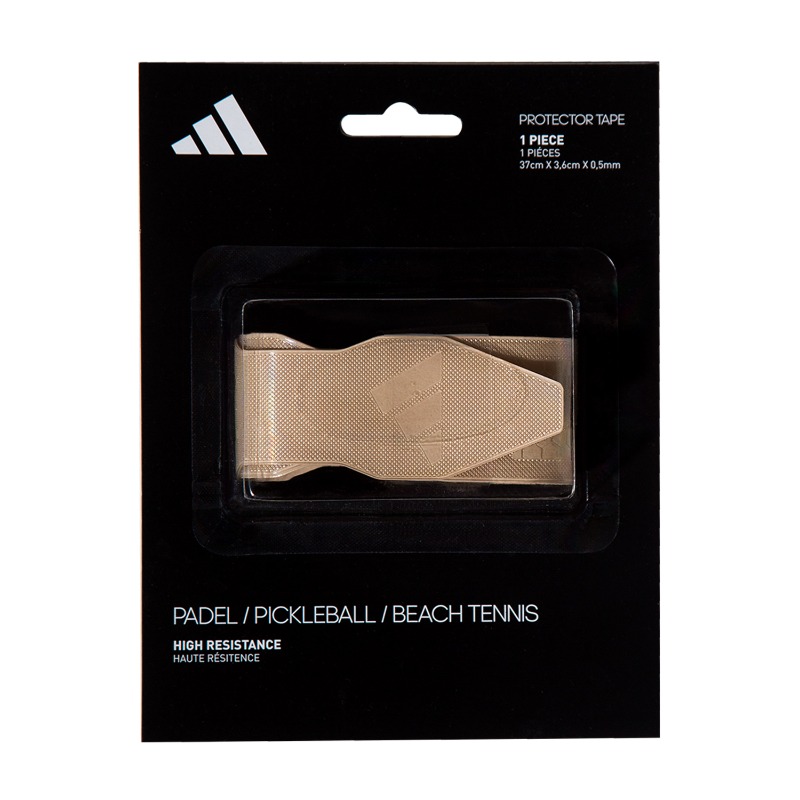
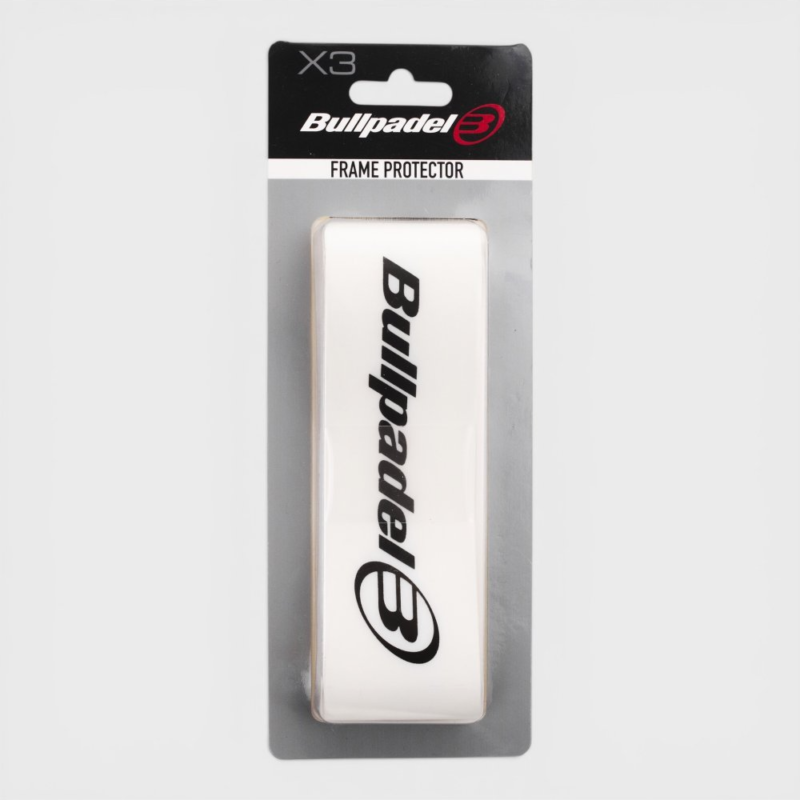
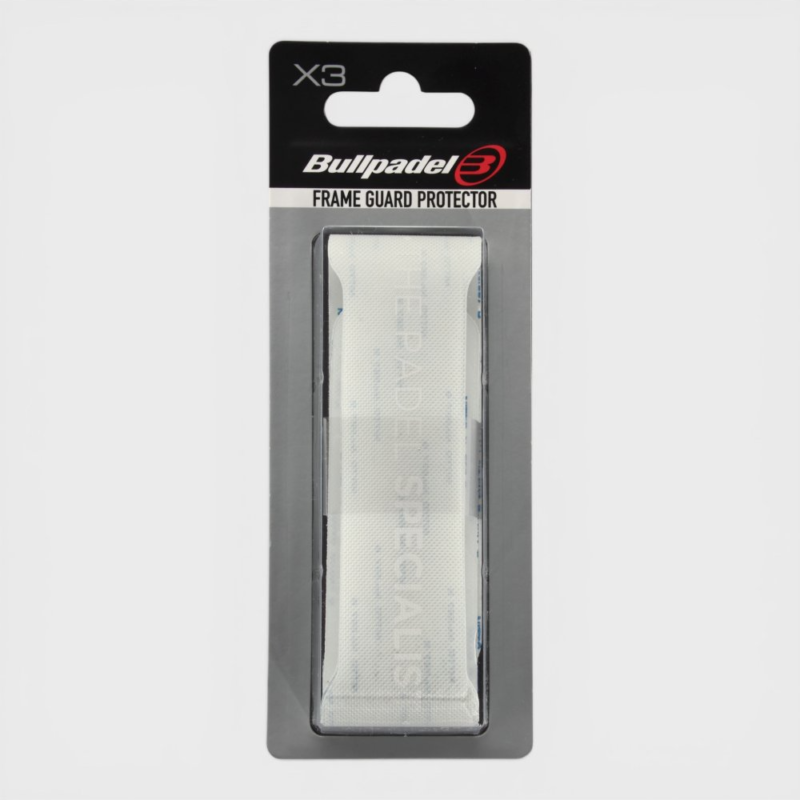
The edges of the racket are vulnerable — especially when the racket hits the ground or walls. An edge protector extends the life of your racket. Some rackets come with one from the factory; for others you'll need to buy it separately.

Overgrip

The original grip tape wears out quickly. An overgrip is a cheap (€1–3) wrap that goes over the original grip. Replace it every few weeks depending on how often you play. Your racket will feel more secure in your hand and your shots will be more precise.

Racket Bag

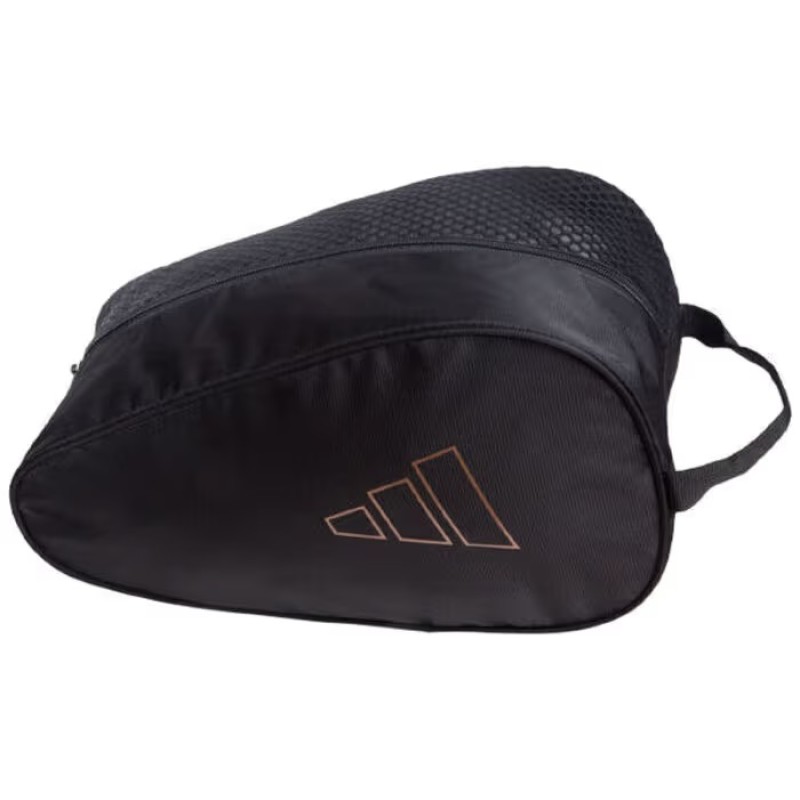
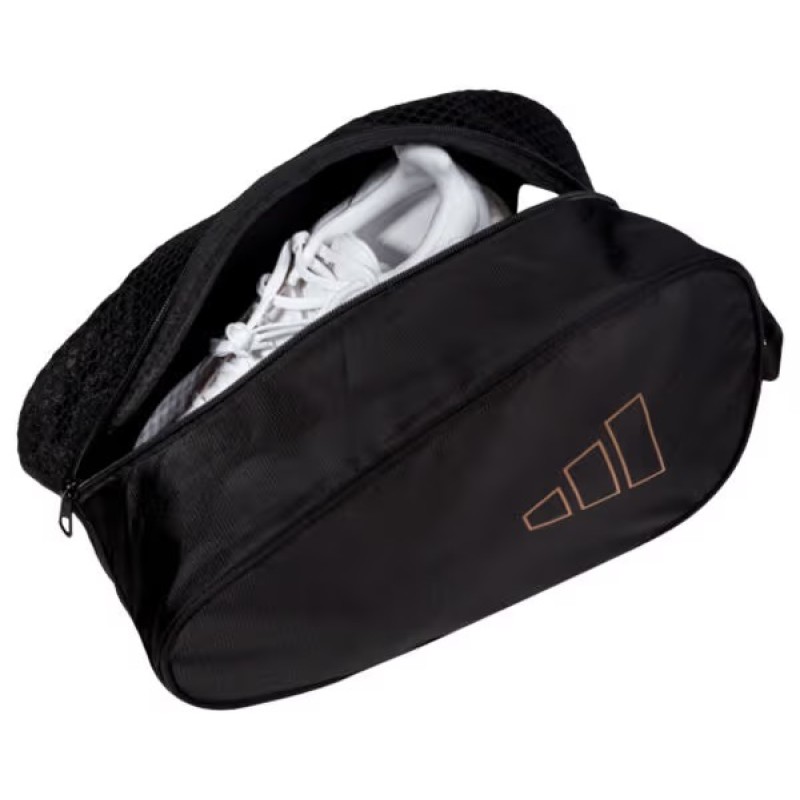
Your racket needs protection — from rain, heat and impact. A padel bag or backpack keeps your racket safe and gives you room for shoes and clothing. Bullpadel offers quality bags that work for both one and two rackets.

9. Frequently Asked Questions

Can I play padel with a tennis racket? Technically — no. Padel rules require using a padel racket (solid, no strings). A tennis racket is also too large for a padel court and the style of play.

How long does a padel racket last? It depends on how intensively you play. On average — 1–3 years of regular play. If you take care of the racket (protect it from impacts, use an edge protector) — it can last longer.

Is it worth buying a second-hand racket? For beginners — it can be a good way to save money. But check carefully for cracks in the frame or core — a damaged racket breaks quickly and can cause injury.

Are women's and men's rackets different? Yes, slightly. Rackets designed for women are usually lighter (340–360 g) and have a smaller grip. However, this isn't a strict rule — what matters most is that the racket suits the individual player, regardless of gender.


Conclusion: Choose Wisely, Play With Joy

Choosing your first padel racket can seem daunting, but it's actually straightforward — as long as you know what to look for.

The simple formula for beginners: round or teardrop shape + soft core + fibreglass + €60–150 budget = a great start.

All the padel equipment you need — rackets, shoes, bags, balls and accessories — is available at FinalSet.eu. A specialist store delivering to all Baltic states and across Europe, with a team that plays padel themselves and knows exactly what to recommend.

Choose your racket. Get on the court. And start playing.